History
The History of the Subway Super Series
Trace the Subway Super Series through its CHL origins, regional teams, six-game format, sponsorship changes and place in Canadian junior hockey history.
The regional teams. The international challenge. The nights that brought junior hockey into a different light.
Explore the series history ↗Read the journal →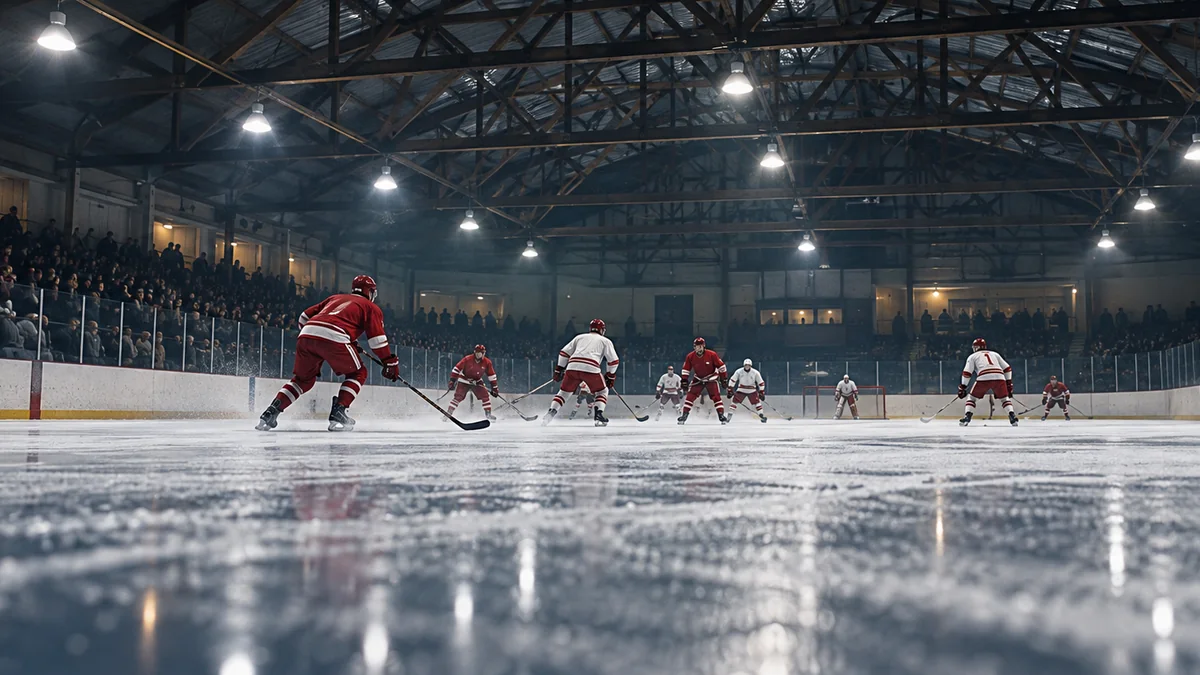
The Subway Super Series was the sponsored name used for a period of the CHL’s Canada–Russia junior hockey exhibition series. A touring Russian team faced regional selections from the CHL’s three member leagues in a six-game format. It provided international opposition and helped put national junior candidates in another evaluation setting. It was distinct from Hockey Canada’s one-time eight-game Super Series in 2007. This website covers that history independently; it is not an organizer or ticket seller.
Trace the Subway Super Series through its CHL origins, regional teams, six-game format, sponsorship changes and place in Canadian junior hockey history.
Revisit documented Subway Super Series milestones, from the 2009 sweep to the 2013 finale and a marathon shootout in Saskatoon, with official source links.
Understand Canada–Russia junior hockey through the CHL series, national-team competition and the separate 2007 Super Series, with source-based context.
A competition understood through the records it left behind.
A sponsor’s name can become the way a generation remembers a competition. In this case, the event existed before the Subway title partnership. The CHL’s 2009 announcement attached the new name to an established six-game series. Earlier and later documents may use different titles, so the name on a page needs to be read alongside its publication date.
That is the approach taken throughout this site. We connect the recognizable Subway Super Series name to the broader Canada–Russia Series, while keeping each edition’s identity clear. A recurring event, a particular sponsor period and one night’s game report are different levels of the story. Holding all three in view makes the archive easier to use.
The Canadian teams represented the WHL, OHL and the league known in period reports as the Quebec Major Junior Hockey League. They were not one unchanged national roster. A Russian touring team met a succession of regional selections as the series moved between host cities. Each stop contributed to the wider competition while retaining a local hockey identity.
For club supporters, the format changed familiar relationships. Players who usually opposed one another could share a team for the event. For readers today, those regional labels are useful clues. Team WHL or Team OHL in a scoreline identifies the sort of matchup being reported. It should not be quietly replaced with Team Canada in a historical summary.
Canada–Russia hockey is a broad subject. This publication focuses on its junior setting and takes care with competition names. The recurring CHL regional series, national-team championship games and the special 2007 Super Series were different events. A result can be memorable without belonging to the same schedule or standings as another famous meeting.
Hockey Canada’s 2007 announcement describes eight games, with the first four in Russia and the final four in Canada. That is a clear contrast with the six-game CHL tour of Canadian host cities. If an old article uses only Super Series in its headline, inspect the year, participants and format before deciding which story it tells.
Regional Canadian selections faced Russia across a six-game series. Read each edition’s scoring rules before comparing its overall result.
Understand junior hockey ↗Western Hockey League selection
Ontario Hockey League selection
Quebec league selection, using period terminology
The touring junior opposition

Junior hockey invites viewers to imagine what a player might become. Historical coverage introduces another temptation: treating a later career as proof that an early performance predicted everything. A better reading keeps the uncertainty of the original moment intact. An exhibition appearance records participation in that event, not a guaranteed national-team place or professional outcome.
Official series reports describe an evaluation role, which helps explain the attention around these games. Fans can appreciate that purpose while watching more than the score. Puck movement, support away from the play and responses to pressure are useful things to follow. They are viewing questions rather than a substitute for a complete scouting assessment.
Start by asking what kind of document you are reading. A host announcement establishes a planned city or building. A roster release identifies a selection at a particular moment. A game report records an individual contest. A concluding review is usually the better source for the overall series outcome. Each document answers a different question.
Keep the units attached to numbers. Game wins, series standings points and total goals are not interchangeable. The 2012 official review, for example, states a 10–8 points result for Russia. Copying those figures into a score column would create a new and incorrect claim. Clear labels are a small editorial choice with a large effect on accuracy.
The archive makes junior hockey geography tangible. A report from Lethbridge or Saskatoon connects an international story to a particular local night. That is a useful starting point for exploring club history and the place of an arena in its community. It does not establish that the same event is being played there now.
For a present-day visit, switch to the current club schedule and official venue information. Check the full building name, street address and event date. Sponsor names and venue arrangements can change. Keeping historical reading separate from live travel planning avoids the frustration of following an old ticket link or treating a past host announcement as a current fixture.
The broader CHL event predates the Subway title partnership.
Hockey Canada stages an eight-game under-20 event in Russia and Canada.
The CHL announces its Subway title partnership for the regional series.
Team WHL’s Lethbridge victory settles the series for the CHL.
CIBC announces a partnership including Canada Russia Series title rights.
Selected milestones, not a complete season-by-season record. See the linked history and its official sources.
Compare arena parking, transit and rideshare, check accessible routes and plan your post-game departure without relying on unverified prices for fans.
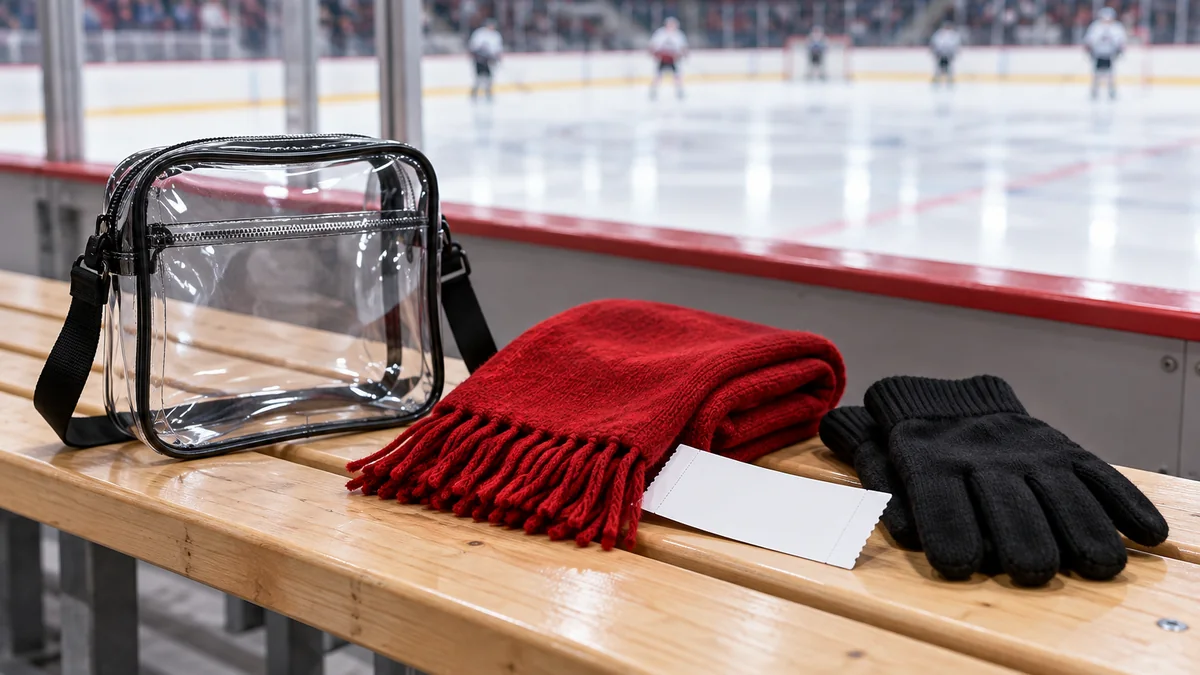
Check hockey arena bag rules, clear bag requirements, medical exceptions and prohibited items before choosing what to take to a game, using venue sources.
Plan a junior hockey trip with a checked game schedule, realistic transport, separate arena packing and a workable route home, with practical checklists.
A comfortable hockey visit involves several linked decisions: how to reach the arena, where to enter, what to carry and how to return afterward. Begin with the venue’s own directions and accessibility pages. Check the pedestrian route as well as the parking space or transit stop. A short map distance does not describe every crossing, staircase or outdoor wait.
If you are comparing parking options, VenueGuideHQ offers venue parking resources that can help organize your research. Confirm the final lot conditions and event notices with the arena or parking operator. For a more detailed planning method, read our hockey arena parking guide, including return transport and fallback options.
Arena entry rules are specific to the building and sometimes the event. There is no universal hockey clear-bag policy. Check the bag’s dimensions, its type and the items inside it. A transparent bag is not automatically allowed, and a travel bag accepted by an airline may still be unsuitable at an arena gate.
BagPolicyGuide publishes venue bag information that can help identify questions to ask. The venue remains the authority for admission, exceptions and screening. Our hockey bag policy guide explains how to read those conditions, including medical and family needs. Confirm any necessary exception before setting off rather than relying on a general summary.
If hockey takes you to another city, plan the gaps around the game. Confirm where luggage will stay before check-in or after checkout. Compare the full journey from the station or airport, rather than only the fare. Check the evening return route with enough flexibility for a game that runs longer than expected.
For air travel, BaggageBase offers baggage information and explanatory guides. Use the operating airline’s current fare conditions for the final allowance and fees. This is a different task from arena packing. Our junior hockey travel guide connects transport, accommodation and game-night essentials without assuming one rule covers every stage of the trip.
Publisher-selected external resources are marked nofollow. They are independent of the event; confirm policies with the venue, operator or airline.
The continued existence of an archive page does not make its event active. The CHL’s 2025 retrospective records pandemic cancellations in 2020 and 2021 and explains that the series was subsequently scrapped following Russia’s invasion of Ukraine. We do not turn those old announcements into a fictional current schedule.
This site does not offer Subway Super Series tickets, promise a return date or present old broadcast arrangements as current viewing information. Readers looking for hockey today should use live official club and league schedules. Readers looking for the past can use the archive with its original dates intact. Both tasks benefit from being stated plainly.
Our further reading begins with the organizations that documented the competition. CHL and member-club announcements help establish names, hosts, formats and results. Hockey Canada’s archive is especially useful for separating the 2007 national-team event from the recurring regional series. Direct source links accompany the longer articles so readers can inspect the underlying record.
No single page answers every historical question. An old link may have moved, and a preview may describe a plan rather than the final outcome. Where the record does not support a precise claim, this publication leaves it out or identifies the uncertainty. That makes room for an engaging history without inventing scores, quotes or firsthand memories.
A few distinctions that make the series easier to understand.
Yes. It was a sponsored period of the CHL’s Canada–Russia junior exhibition series, with Canadian member-league selections facing Russian opposition.
No. The Canadian selections represented the CHL’s three member leagues. Do not confuse them with one unchanged national team.
No. Hockey Canada’s 2007 event was a separate, one-time eight-game under-20 series played in Russia and Canada.
The CHL announced the Subway title sponsorship on August 31, 2009. The underlying regional competition began earlier.
No. This is an independent historical and fan-guide publication. Use a current club or organizer’s official ticket link for a live game.
No. They are AI-generated illustrations of hockey and fan planning, with no claim to show an actual series game or named venue.
No. Check the current policy for the specific venue and event, including dimensions, contents and exceptions.
Begin with the series history, then the junior hockey explainer. Use the fan guides for a current arena visit after confirming the live fixture.
Subway Super Series is an independent reading resource about hockey history and practical attendance planning. It is not affiliated with Subway, the Canadian Hockey League, Hockey Canada or a participating team. The editorial desk byline identifies this publication; it does not imply a former player, official organizer or credentialed scout wrote the article.
The photographs on these pages are AI-generated illustrations. They do not document real historic games, named players or specific arena layouts. Publisher-selected external resources are labelled in context and marked nofollow. Read the editorial policy for our sourcing and correction approach, and use the contact page to prepare a correction note with the relevant page and evidence.
How we work ↗