Start with the building attached to your ticket
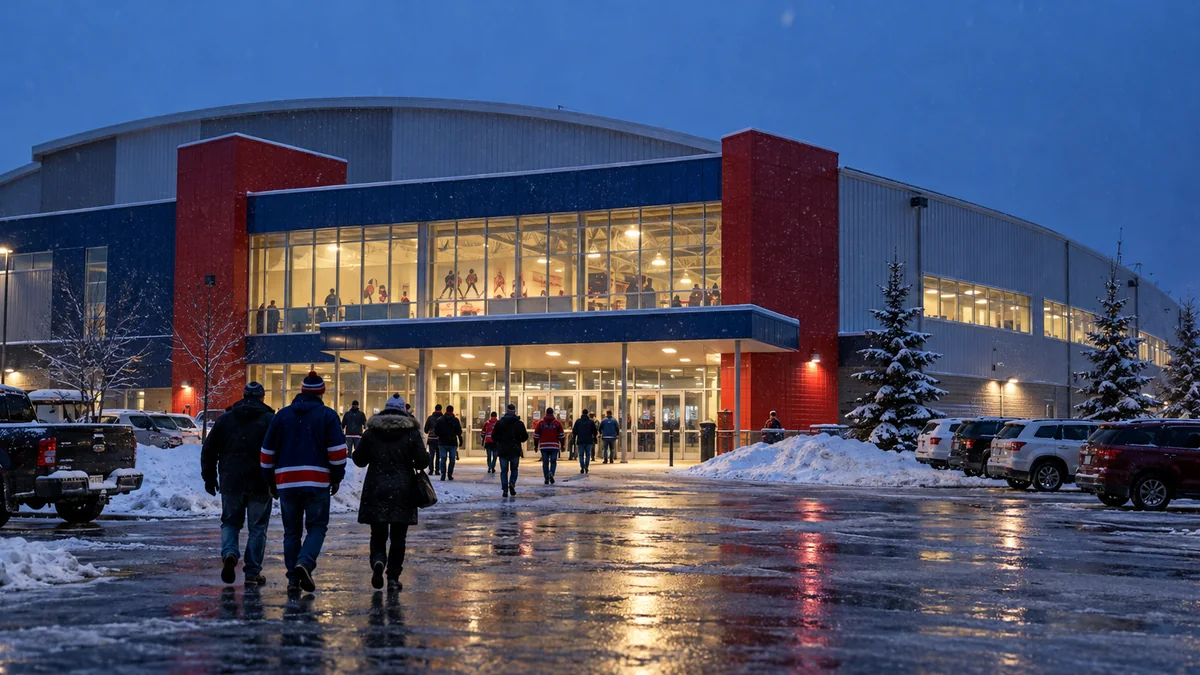
Confirm the venue’s full name, street address and event date before comparing travel options. An arena can have a sponsor name that differs from the one used in an old game report. A club can also publish special-event information separately from its ordinary schedule. The current ticket and organizer’s event page should agree.
For historical reading, keep the period venue name in view. For attendance, use the current venue’s own directions. These are different tasks. A 2013 report can tell you where a game took place; it cannot tell you where a present-day accessible entrance is or whether a particular lot will be open on the night you visit.
Choose the view that suits your group
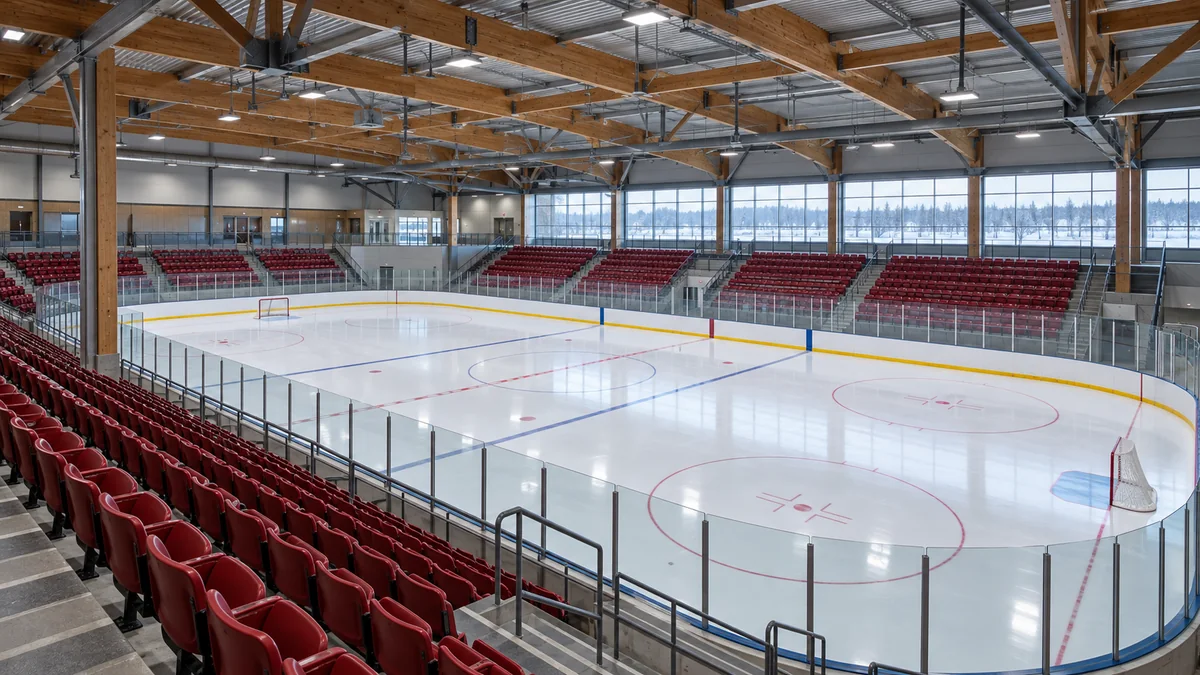
A higher position can make it easier to follow how play develops across the ice. A lower position brings the speed and physical detail closer. End views and side views offer different perspectives. None is automatically the best choice for every spectator, especially once budget, stairs and personal comfort enter the decision.
Use the official seating chart to understand section locations. Look for notes about restricted views, railings or accessible seating where the venue provides them. If a particular sightline matters, ask the ticket office before buying. A photograph from another event may have a different configuration and should not be treated as a guarantee of your hockey view.
Think about the whole route, not only the seat
Accessibility planning includes the approach to the building, the entrance, the concourse and the seating location. Parking close to an arena does not automatically mean the route is suitable for a wheelchair or a visitor who finds stairs difficult. Check lifts, level changes and the venue’s stated assistance arrangements.
Official venue pages show why specificity matters. SaskTel Centre publishes a dedicated accessibility page, while Save-On-Foods Memorial Centre provides its own accessibility guidance. Use these as examples of the information to seek, rather than transferring either building’s arrangements to another arena. Contact the venue about your needs before relying on an assumption made from a map.
Arrival is a sequence of small tasks
Work backward from the part of the evening you want to see. Travel time is only one component. Finding the correct lot or transit stop, walking to the entrance, screening bags and locating seats all take part in the plan. Doors and game start are different times; use the official event information for both.
Allow more flexibility if your group is unfamiliar with the building or needs an accessible route. This guide does not prescribe a universal arrival deadline. Instead, plan enough time for the actual tasks involved. If the venue issues an event-day notice about traffic or entrances, revise the route before leaving rather than hoping the usual approach still works.
Keep your arena bag separate from your travel bag
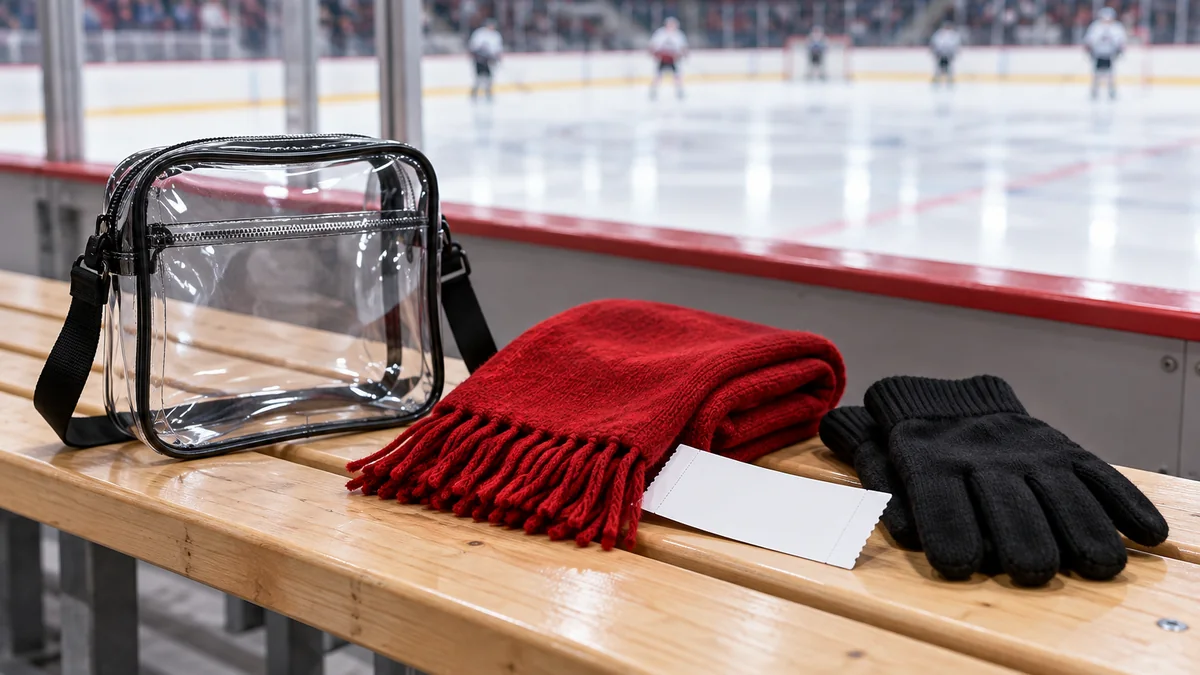
A bag suitable for a weekend away may be unsuitable for admission. Check size, transparency and item restrictions before packing. Do not assume that a clear bag is accepted simply because it is transparent. Likewise, a small opaque bag is not automatically allowed unless the policy permits it.
If you arrive by train, coach or air, decide where your main luggage will stay before going to the arena. Do not assume there is a cloakroom, locker or bag-check service. Our hockey bag policy guide explains how to read the rule and what to ask about medical or family exceptions.
Dress for the trip as well as the rink
Consider the weather outside, the time spent walking and the indoor setting. Layers give you more control than one heavy item that is awkward to carry. Footwear should suit the route you actually expect to walk. A parking option with a longer outdoor approach may change what feels comfortable.
This is practical planning advice, not a promise about a building’s temperature. Arenas differ, and personal comfort differs too. If you are taking children or someone sensitive to noise, discuss what the environment may feel like. Check whether the venue publishes information about hearing protection, quiet areas or sensory support rather than assuming those services exist.
Food, phones and intermission plans
Read the venue’s rules before bringing snacks, drinks or a reusable bottle. A family exception, if offered, may have conditions. Plan for payment and mobile tickets using the event’s own instructions. Download or prepare access to tickets in the method supported by the seller, and keep your phone charged.
Agree on a meeting point if members of the group separate on the concourse. Follow ushers’ directions about moving through seating rows during play. These small decisions make a visit easier without requiring a complicated itinerary. They also give children or first-time visitors a clearer sense of what will happen between arriving and returning home.
Use historical host cities as reading leads
The Subway Super Series archive connects junior hockey to communities across the country. Official reports document places such as Lethbridge and Saskatoon in particular editions. Those references can lead a curious fan toward more local hockey history. They should not be presented as a list of current hosts for a revived event.
A present-day visit can still have a historical angle. Read about the old game, then check what the local club is playing now. Keep the two calendars separate. Our documented series moments provides a few starting points without inventing fixtures or suggesting that old ticket links remain valid.
A sample first-visit decision
Suppose two seating options cost the same: one closer to the ice with more steps, another higher up with a simpler route from the entrance. The better choice depends on the group. A spectator who wants to follow team shape may prefer the higher view; someone who values proximity may choose the lower seat. A mobility requirement can settle the choice before either viewing preference matters.
Apply the same method to the rest of the evening. List the needs first, then compare what the venue actually offers. If a facility detail is uncertain, contact the building rather than trying to solve the uncertainty with a generic ranking. A successful first visit is one that works for its visitors, including the journey home.
Plan your departure before the first faceoff
Check where to meet a driver, which transit service will operate after the game and how to reach your parked car. A normal weekday timetable may not answer the late-evening journey you need. Do not make a plan that depends on the game ending at an exact minute; additional playing time can change your departure.
Before leaving home, confirm the ticket, address, route, bag rules and return option. For more detail, continue to our parking planning guide or junior hockey travel guide. A comfortable arena visit comes from matching the plan to the building and people involved, then checking the live information close to the event.
Sources and reading notes
Historical details are checked against the records below. Fan advice is general planning guidance; the current venue, event organizer or carrier sets its own rules.
- SaskTel Centre official accessibility information
- SaskTel Centre official facility maps
- Save-On-Foods Memorial Centre official accessibility information
- Save-On-Foods Memorial Centre official arena guide
- OHL report on the 2013 finale in Lethbridge
- CHL report on the 2014 Saskatoon opener
Research checked October 18, 2026. Dates in archive articles describe their original events, not upcoming games.